Practical tips and thought-provoking ideas for navigating the world of work with more humanity. Don’t miss a post–sign up for our newsletter!

Should you worry about living up to your potential?

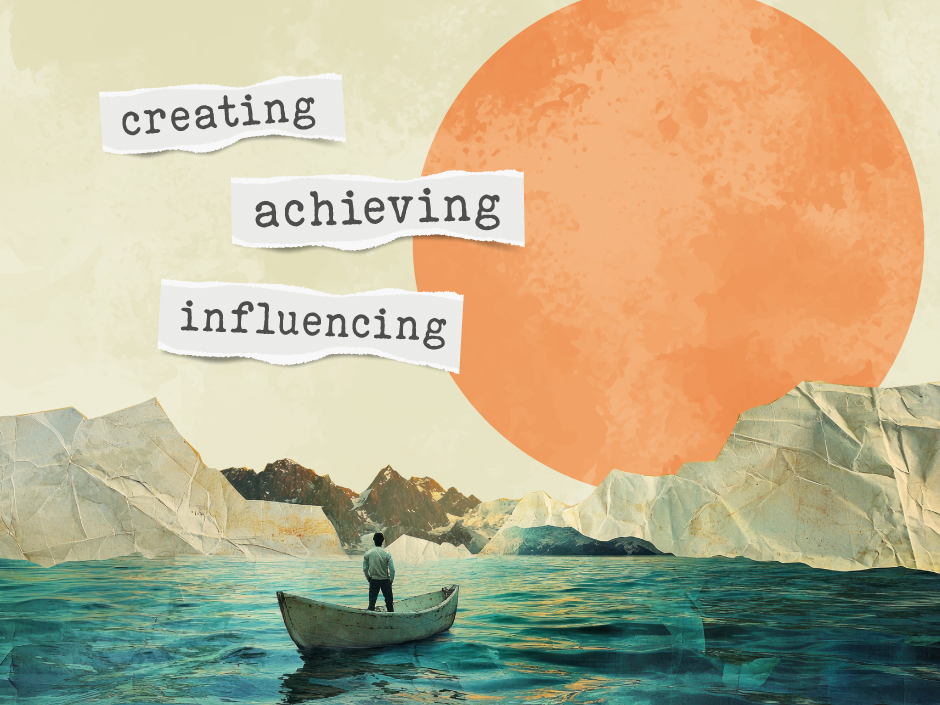
Within the Map of Meaning framework, you don’t “reach,” “achieve,” or “unlock” your full potential—you express it. This subtle mindset shift can help you create a worklife with less angst and more joy.

Why January is a great time to reflect

If you didn’t make any new year’s resolutions this time round, or you’ve already given yours up – don’t worry. We’re here to tell you that the new year doesn’t have to be fast-paced.

Love your job: How a healthy tension of love and fear shaped my career

As I begin the tail end of my professional career, I find myself reflecting a lot on the role that love, and fear, have played in it.

Reflection: What’s sparked your passion at work this year?

Reflect (verb): To think deeply or carefully about.

The art of giving, and receiving, feedback

In Part 2 of a series on feedback, organization development specialist Dr. Gail Townsend unpacks the risks involved in both giving and receiving feedback, and how to navigate through them.

To create a feedback-rich culture, start with vulnerability

In healthy work cultures, feedback is not an "event." It's one part of a continuous cycle of communication and learning, writes organization development specialist Dr. Gail Townsend in Part 1 of a series on feedback.

Book review: The Art of Gathering by Priya Parker

From celebrations to decision-making, Priya Parker's book unravels the complexities of our collective meetings, and how to make them more meaningful.

Community resilience: How volunteering gave me purpose amidst chaos

Amidst the pandemic, I yearned for purpose and community. Then a flyer from a local mutual aid organization caught my eye. I immediately felt compelled to sign up as a volunteer.

Stuck on a problem at work? Try the Four Stages of Creativity

Graham Wallas, social psychologist and co-founder of the London School of Economics, shared his theory of the four stages of creativity in The Art of Thought, published in 1926. The theory will help you think about how to create the right conditions to spark your own creativity – whether at the office or pursuing other […]