BY MEANINGSPHERE STAFF
Editor’s note: The Worklife Fulfillment Indicator is a two-minute exercise we created to help people get a snapshot of their current experience at work. This assessment asks you to evaluate your experience according to 10 core fulfillment areas: Inspiration, Growth, Impact, Connection, Energy, Engagement, Flexibility, Harmony, Appreciation, and Autonomy. In a new series on the MeaningSphere blog, we’re unpacking each of these 10 areas. First up: Appreciation!
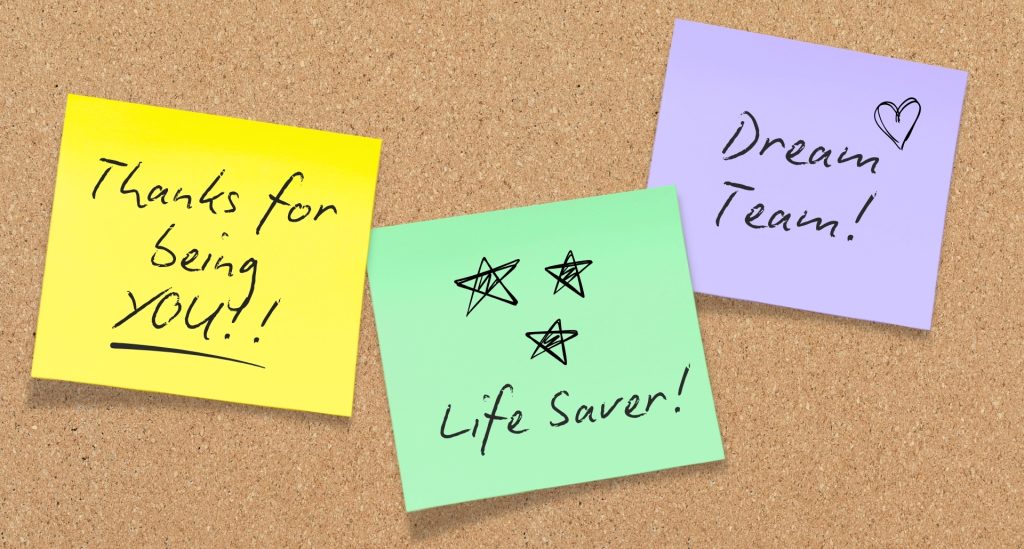
There’s a brief, shining moment in March when employee appreciation is everywhere. It manifests itself in various rites and rituals, from glowing social media posts to company happy hours; from break room cupcakes to bonuses.
Employee Appreciation Day, observed annually on the first Friday in March, is a day of grand gestures—kind of like Valentine’s Day for your job. But much like a bouquet of roses from a romantic partner, these gestures are only meaningful if their underlying message—“I see and appreciate you!”—is communicated year-round.
At MeaningSphere, we consider appreciation to be a key ingredient of a fulfilling worklife—that’s why it’s one of 10 “core fulfillment areas” on our Worklife Fulfillment Indicator! When this need is met, people feel seen and valued for the contributions they bring to their clients, team, organization, or community.
Yet all too often, expressions of appreciation are seen as unnecessary in the workplace (or limited to sanctioned yearly rituals, at best). This oversight could be costing more than we realize: not only does appreciation improve the quality of our work; it can shape how we see ourselves beyond it.
The real impact of appreciation at work
A growing body of research shows that appreciation makes a huge difference in how we experience work. In one survey of professionals, 87% reported that feeling appreciated boosts their motivation; 85% said it increased their confidence; and 84% said it improves productivity. Another set of workplace data found that workplace recognition can significantly reduce stress levels, and that 79% of employees who feel appreciated report better mental well-being.
Unfortunately, workplace recognition is all too rare, according to a Gallup report: only about 22% of employees say they receive the right amount of recognition for the work they do. And since recognizing and appreciating others costs very little (just a bit of time and attention), this means most organizations are effectively sleeping on the opportunity to improve motivation, engagement, and overall well-being without any expensive interventions.
Appreciation goes beyond rewarding achievement
Let’s clear this up: Appreciation and recognition aren’t the same thing. Recognition acknowledges a person’s good work, but appreciation acknowledges the person behind the work.
In the workplace, these two certainly go hand-in-hand. On an individual level, commending a colleague’s accomplishments is one way to ensure they feel valued, respected, and understood as a human being. On an organizational level, it helps build a culture of appreciation.
But appreciation doesn’t have to come from management, and it doesn’t have to be tied to major achievements, outcomes, or milestones. Some of these more “day-to-day” expressions of appreciation might look like this:
- Asking someone for their perspective on an important decision. For example: “You know this project better than I do. What would you recommend here?”
- Letting people know what you enjoy about working with them. For example: “You always bring a positive energy to these early morning meetings!”
- Following up to let a teammate know how they positively impacted you. For example: “Thanks for that suggestion yesterday. I gave it a try, and it turned out to be exactly what I needed.”
We often think of employee appreciation as being “top-down”—something managers bestow on underlings—and driven by significant achievements. Yet any of the above examples can make someone feel appreciated for simply being who they are, and can be used regardless of existing hierarchies.
Appreciation changes how we see ourselves
Finally, feeling valued at work isn’t just about motivation, engagement, or company morale. Over time, it can subtly transform how we see ourselves beyond the workplace.
Here are a few of the ways appreciation can shape our whole self-perception:
- It affirms our identity and builds self-esteem. Work is one of the main places where we can express our values and leverage our abilities. Feeling appreciated in this space reinforces a positive professional identity: I’m someone whose ideas help; I’m someone others rely on; I bring something worthwhile to the team. According to research in self-determination theory, regular affirmation from others also helps us notice and take pride in these qualities we wouldn’t otherwise be aware of, which gradually strengthens our self-esteem and confidence.
- It encourages authenticity. When people feel seen for what they bring to their work, they’re more likely to bring their full perspectives, ideas, and personality to the workplace. Appreciation reduces the pressure to hide parts of ourselves and increases psychological safety.
- It confirms that our efforts matter! Instead of quietly wondering whether our work matters, appreciation provides clear social feedback that our contributions are useful and valued. This is where appreciation connects to another core fulfillment area: Impact!
Employee appreciation is not an event—it’s a way of life!
When people consistently feel seen and valued, that feeling strengthens our confidence, deepens our connection with others, and even shapes our identity. A slice of cake and a thank-you email are nice gestures, but people truly thrive in places where appreciation isn’t just handed out annually—it’s part of the culture.